Our Priorities
ISUH's work spans the full spectrum of comprehensive urban health. The following four Priority Areas reflect where the organization is currently concentrating resources and generating the greatest impact. They are not exhaustive of the field of urban health, nor are they static; they represent the domains in which evidence of need, ISUH's expertise, and opportunity for measurable progress are most clearly aligned.
1. Health Equity
WHY IT MATTERS
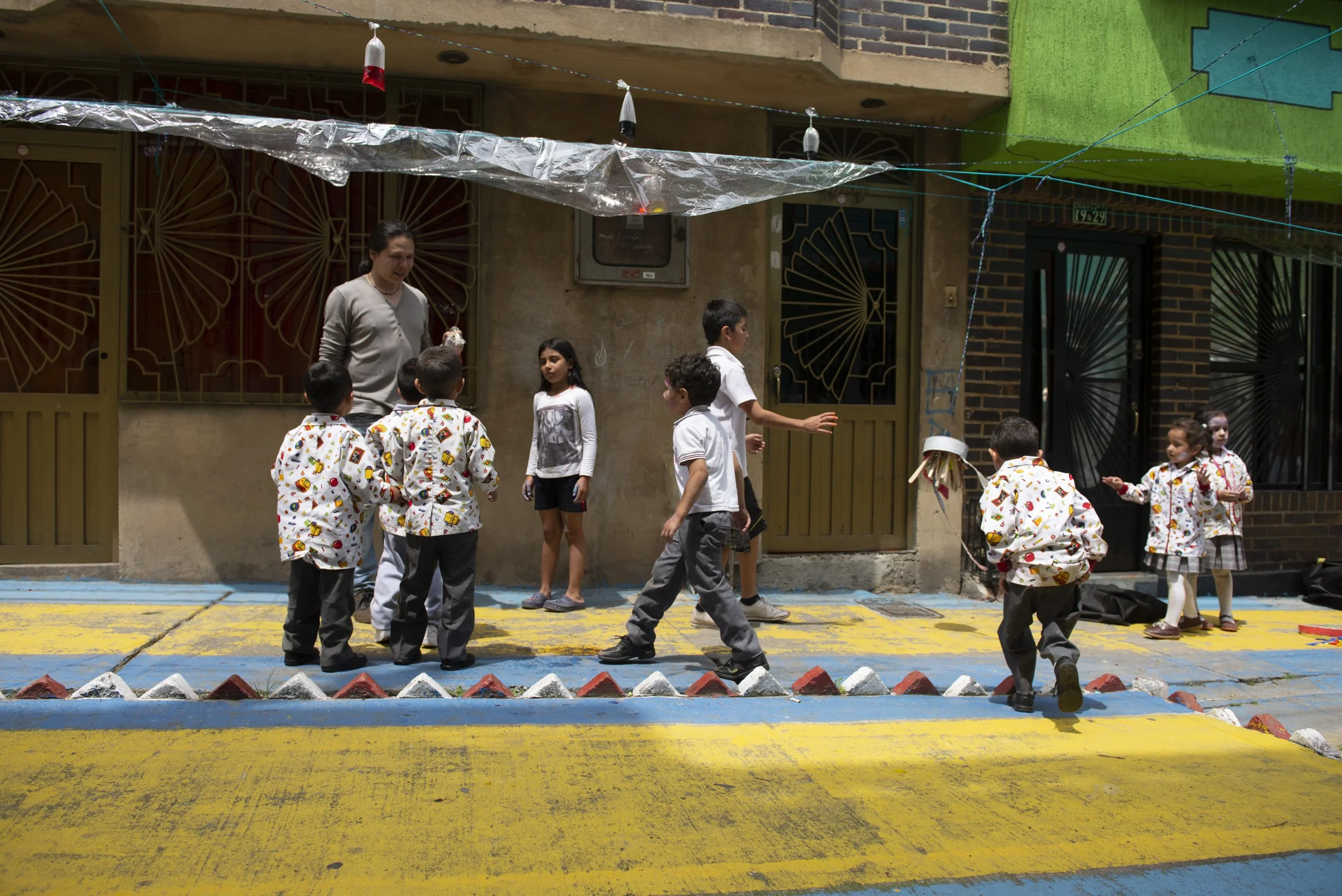
Health outcomes in cities are not distributed by chance. Where people live can shape not only how long they live, but how many of those years are lived in good health. Even within the same city, residents separated by only a few kilometers can experience stark differences in life expectancy and well-being because the conditions that protect health — safe and affordable housing, clean air and water, nutritious food, green space, mobility, education, decent work, social connection, and access to care — are not equally available in every neighborhood.
These differences reflect accumulated patterns of policy, investment, and governance that have — often deliberately — concentrated resources and opportunities in some communities while disinvesting from others. The result is persistent, measurable, and preventable inequity in disease burden, lifespan, and healthspan.
Health equity means creating the conditions in every neighborhood that give all people a fair opportunity to thrive, contribute, and live long, healthy lives. Achieving it requires structural and place-based action.
WHAT ISUH DOES
Conducts and synthesizes research and evaluation on how structural, social, environmental, and place-based determinants produce health inequities within and across cities
Develops frameworks and practical tools that help cities embed equity in urban planning, policy, and investment
Supports community-led approaches that center the knowledge, priorities, and agency of residents most affected by health inequities
Maintains the Accelerating City Equity (ACE) Active-Learning Resource Center — a globally accessible platform for practitioners advancing urban health equity
→ See the ACE Project, our flagship health equity initiative
2. Climate & Health
WHY IT MATTERS
Climate change is already dramatically reshaping health in cities. Extreme heat, flooding, air pollution, and the expanding risk of vector-borne diseases such as dengue contribute to illness, injury, and premature death, while displacement, loss, and chronic uncertainty affect mental health and social well-being. These risks fall most heavily on communities with the fewest resources to adapt.
Cities, however, are also where climate action can deliver the greatest health benefits. Decisions about housing, public space, transport, green infrastructure, and emergency planning can reduce exposure, prevent disease and injury, and strengthen community resilience.
ISUH advances urban health and climate resilience together to protect and improve the health and well-being of people facing climate-related risks in cities worldwide.
WHAT ISUH DOES
Maps climate-related health risks by combining neighborhood health data, climate-exposure analysis, environmental monitoring, and community knowledge
Conducts participatory research that makes the physical, mental, and social health impacts of climate change visible
Co-designs and tests place-based solutions, including heat-protective public spaces, nature-based flood management, and community-led prevention and control of climate-sensitive vector-borne diseases
Builds local capacity to implement and evaluate interventions, measure health and environmental outcomes, and adapt successful approaches for other settings
Translates evidence and community experience into policy, planning, and investment strategies through cross-sector partnerships, targeted communications, and global learning platforms
RELATED WORK

3. Healthy Places
WHY IT MATTERS
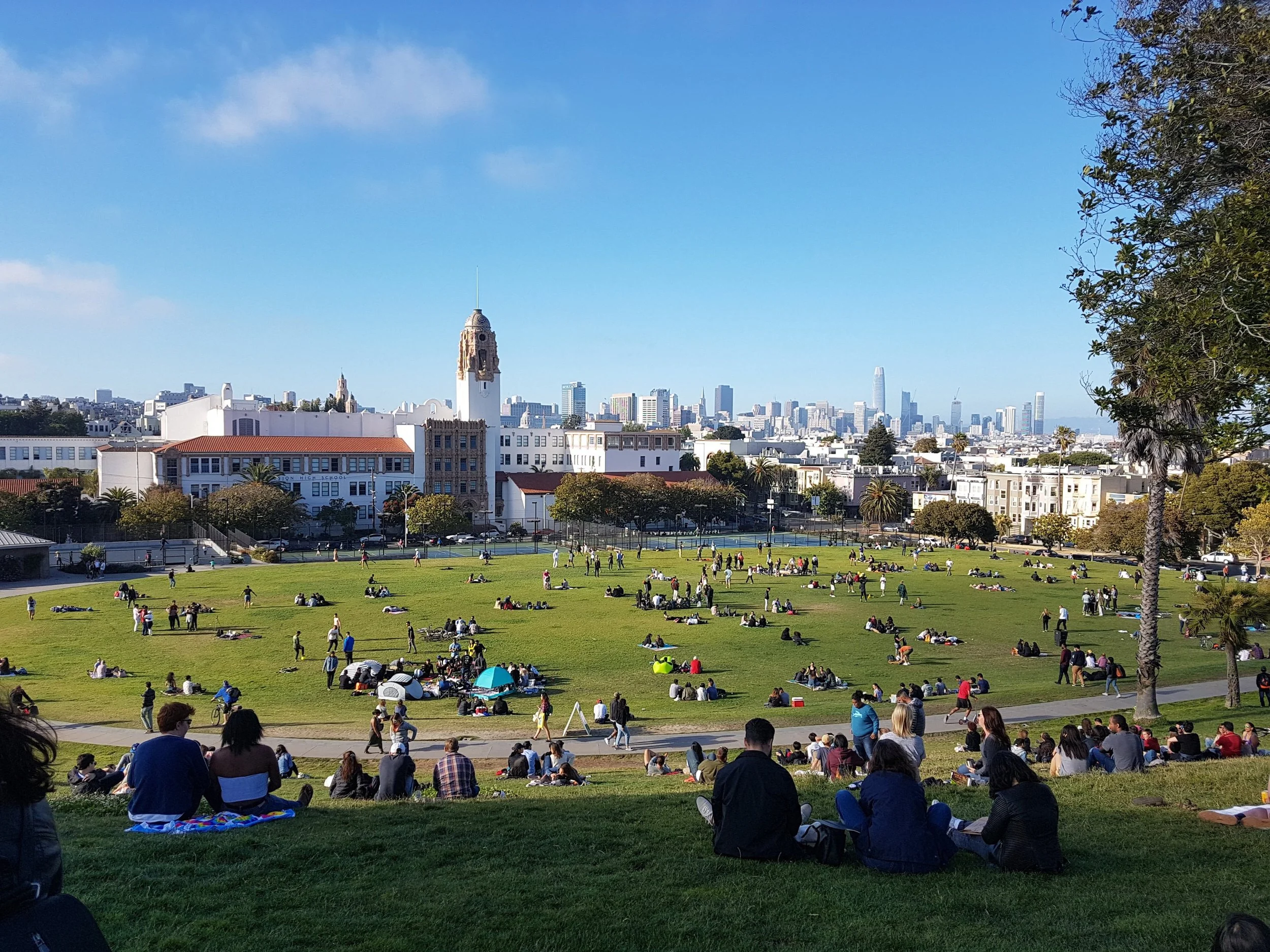
The physical conditions of homes and neighborhoods are among the most consequential determinants of health. Inadequate housing, unsafe streets, limited green space, environmental hazards, and poor sanitation contribute directly to disease, injury, and chronic stress—with effects that compound over time and across generations.
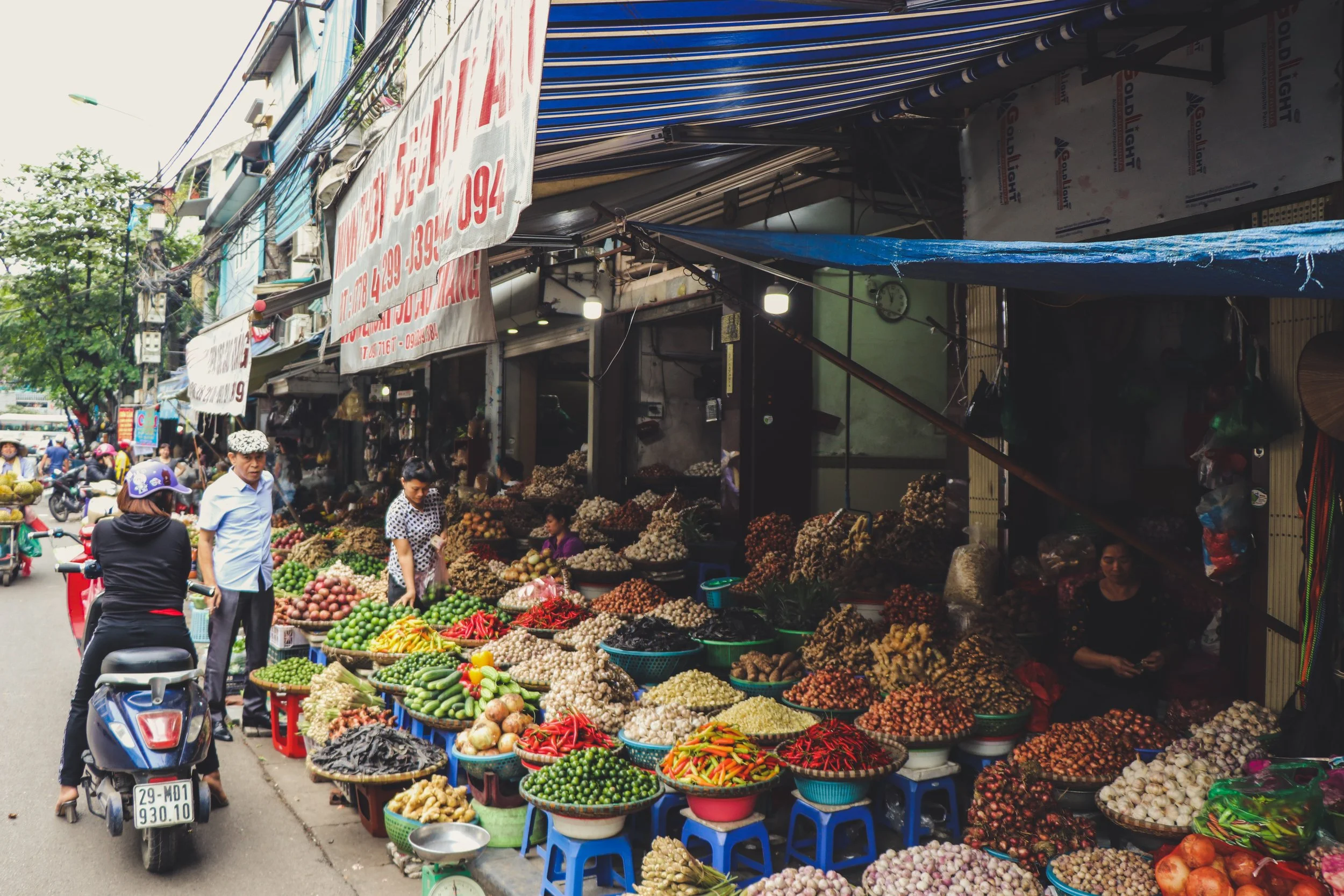
Improving these conditions is upstream prevention: it reduces health risks before illness and injury occur, improves health across entire populations, and relieves avoidable pressure on health systems. Because these conditions can be changed through design, policy, investment, and community-led action, healthy places represent a powerful but underused lever for improving health at scale.
WHAT ISUH DOES
Designs and implements community-led housing and neighborhood health improvements across high-, middle-, and low-income settings, including I-HIP Co bringing global solutions to cities in the United States and Mud to Mortar in Bangladesh
Conducts community-driven research on how homes, public spaces, and the built environment affect health and well-being
Produces publicly available tools, frameworks, and evaluation findings to strengthen housing-and-health practice
Advocates for housing and urban policies that prevent illness and prioritize the health of the most vulnerable urban residents
→ See the Healthy Housing Portfolio
→ See the I-HIP Co Project
4. Health Across the Urban Lifecourse
WHY IT MATTERS
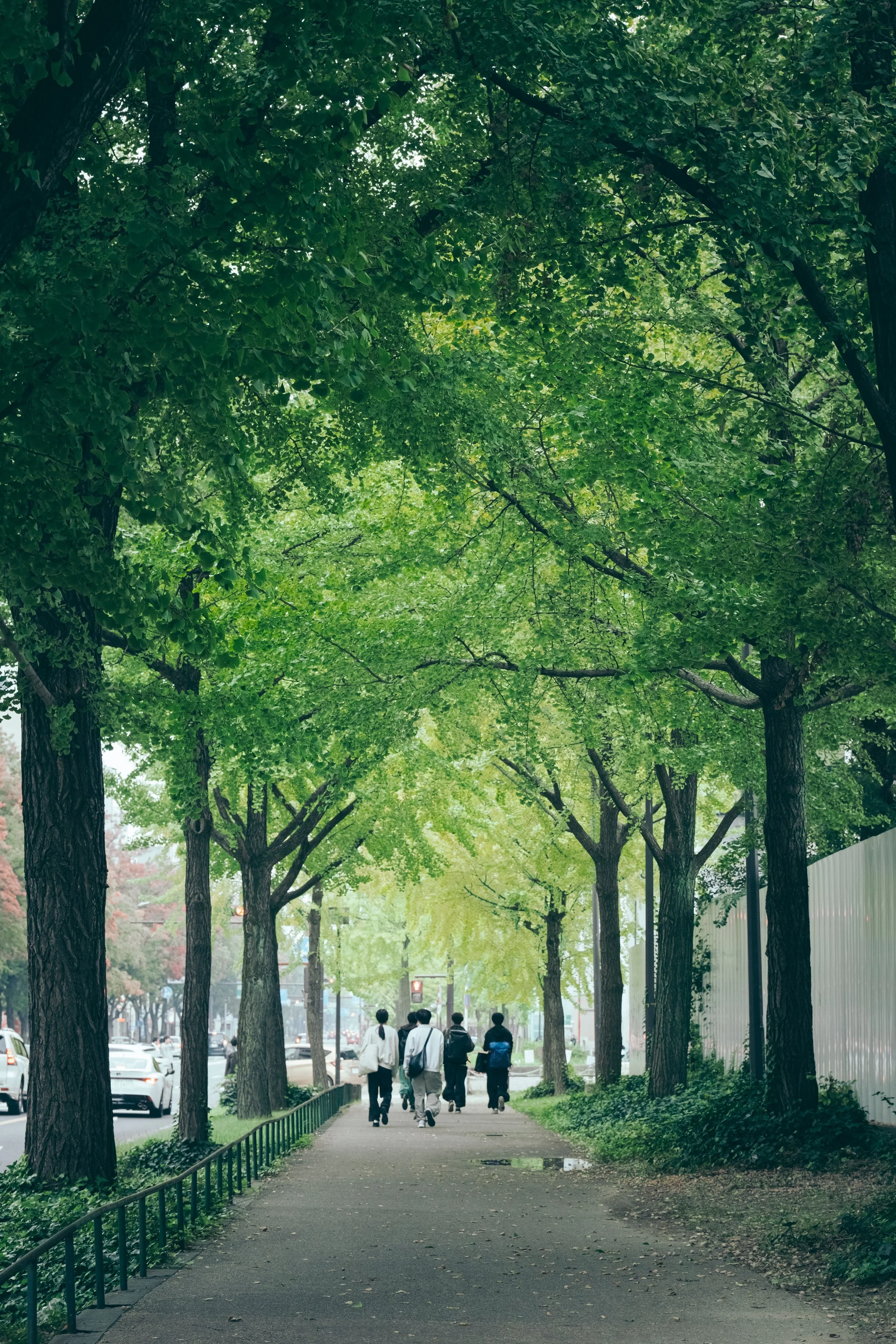
Health needs and vulnerabilities change across the stages of life, and urban environments can support or undermine health at every one of them. Young children are particularly susceptible to environmental hazards and benefit from safe, stimulating outdoor environments. Adolescents need spaces that support physical activity, social connection, and mental health. Working-age adults face occupational and neighborhood exposures that accumulate into chronic disease. Older adults require accessible infrastructure and social inclusion to maintain independence and well-being. Urban health policy and design must address all stages of the lifecourse.
WHAT ISUH DOES
Designs and evaluates programs targeting health outcomes at specific life stages in urban settings
Integrates lifecourse frameworks into research, conference programming, and project design
Partners with organizations specializing in child health, adolescent well-being, and healthy aging in cities
Advocates for age-responsive urban design and policy — from safe routes to school to age-friendly neighborhood infrastructure and social connection