
Sustainable Dengue Control in Sub-Saharan Africa
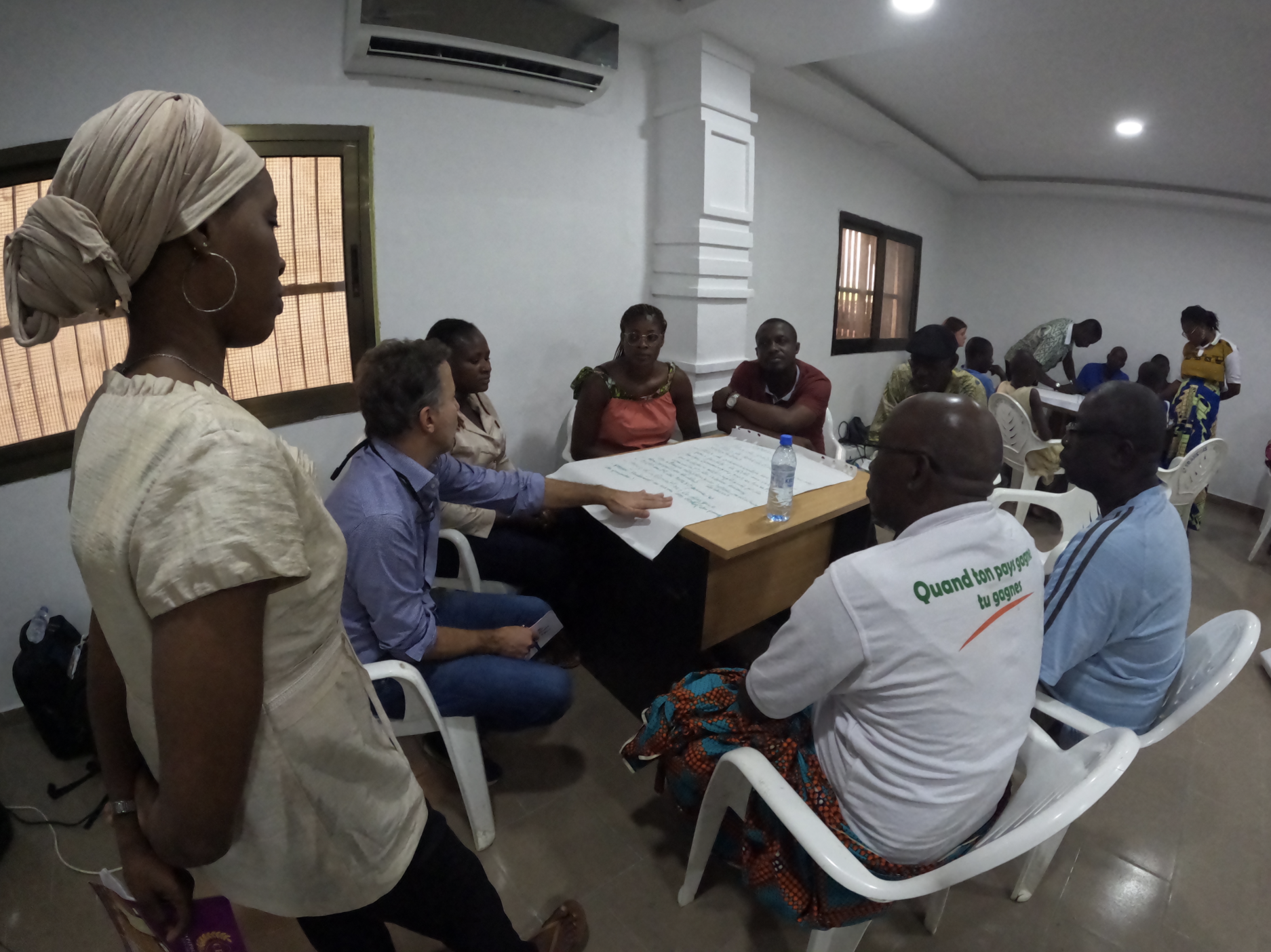
Dengue fever is one of the most rapidly expanding vector-borne diseases globally. Sub-Saharan Africa is an increasingly affected region, yet community-level dengue control capacity is severely limited. Conventional control approaches — insecticide spraying, centrally administered campaigns — rarely produce durable results because they fail to engage the communities in whose environments mosquito breeding occurs. This project applies a fundamentally different model: training and mobilizing local residents to identify, remove, and maintain potential Aedes aegypti breeding sites as a sustainable, community-owned practice. The project draws together a multidisciplinary team with expertise in community health, entomology, environmental management, and public health to narrow the gap between scientific evidence and community-level action.
Documented Impact: Demonstrated feasibility of community-led vector control in an urban Sub-Saharan African context. Documented reduction in Aedes aegypti breeding sites in project areas. Community health educators trained and active. Multidisciplinary evidence base generated for adaptation and replication.