
Our mission is to learn with communities to create, test, and share place-based solutions for healthier, more equitable housing and neighborhoods—combining lived experience and local ways of knowing with rigorous research, and translating lessons across borders without losing the histories, cultures, politics, and geographies that make each place distinct.
We examine healthy housing through four interconnected dimensions—affordability, housing quality, residential stability, and neighborhood context—and consider how they shape physical, mental, and social wellbeing.
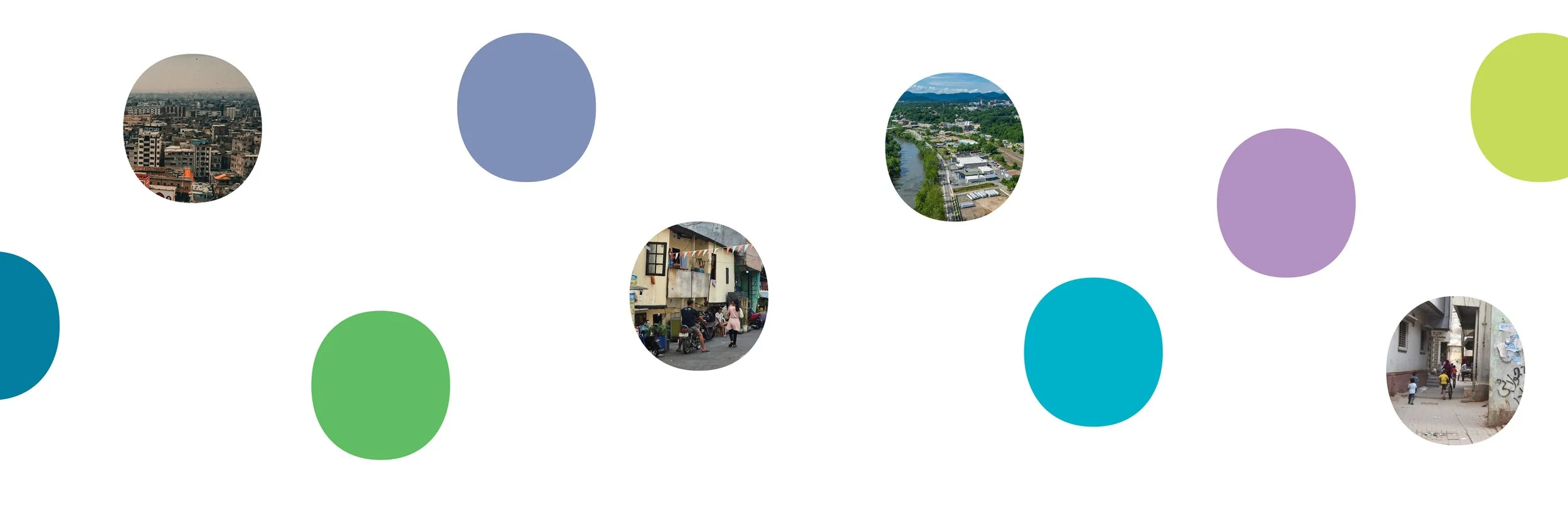
Healthy places begin with the people who know them best.
The International Healthy Housing Innovations Project in and With Communities (I-HIP Co) is a learning-and-action initiative working alongside communities in Indonesia, Pakistan, and the United States to understand and advance healthier, more equitable housing and neighborhoods.
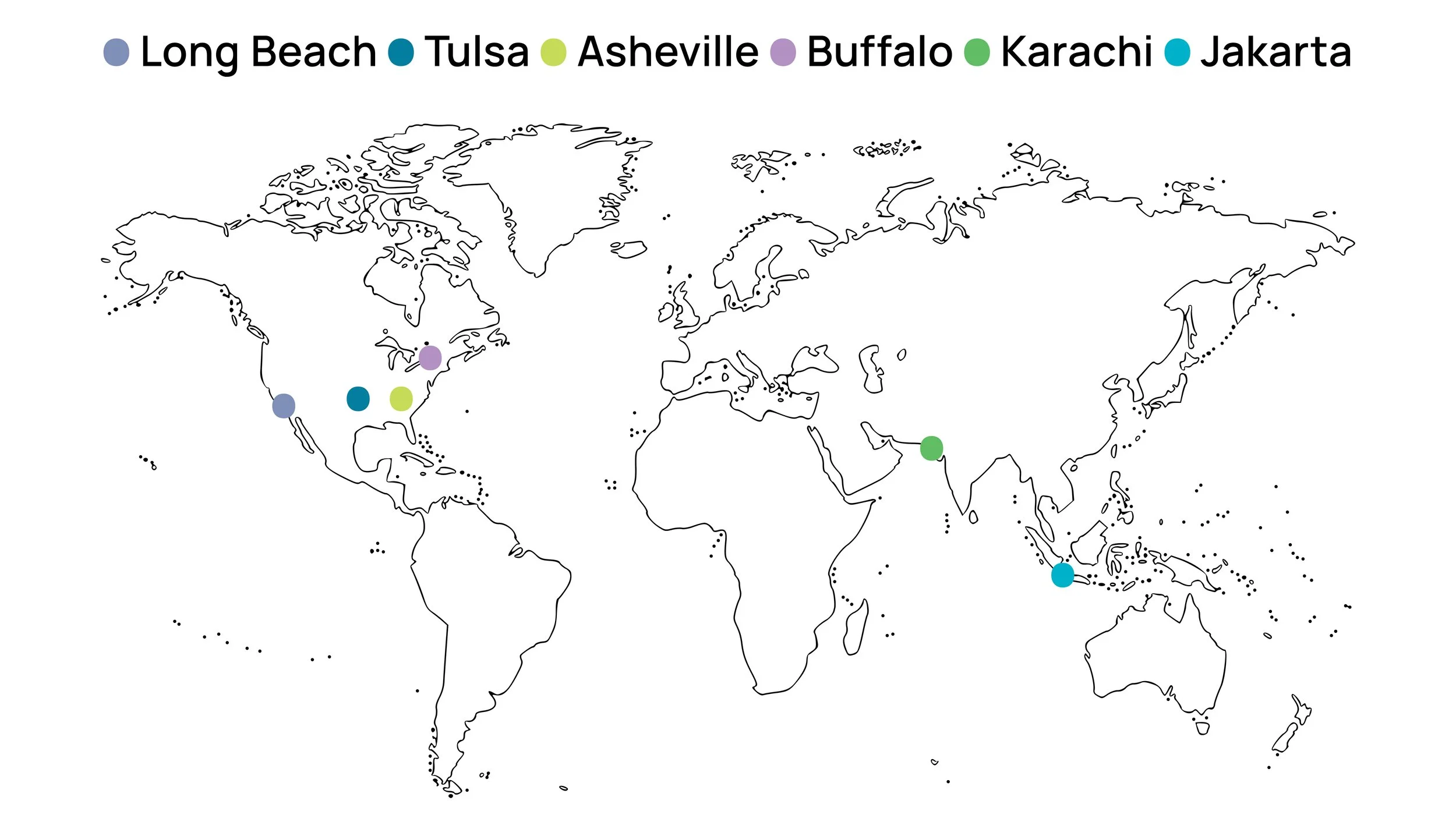
Across Jakarta, Karachi, Buffalo, Asheville, Tulsa, and Long Beach, residents, community-based organizations, practitioners, researchers, public institutions, and organizations that connect communities with resources and expertise examine how housing and health differ from one neighborhood to the next. Together, they develop locally grounded responses, test them in practice, and generate evidence that reflects community experience alongside technical, policy, and regulatory knowledge.
One shared lens. Six local realities. No one-size-fits-all solution.
I-HIP Co considers four interconnected dimensions of healthy housing—affordability, housing quality, residential stability, and neighborhood context—and how they shape physical, mental, and social wellbeing. Because these relationships are influenced by local histories, cultures, politics, geographies, environments, and patterns of investment, our work begins at the neighborhood level.
Community knowledge is evidence.
No single perspective can fully explain what makes housing healthy. Residents and locally rooted organizations understand conditions, relationships, adaptations, and possibilities that conventional datasets and technical standards often miss. I-HIP Co brings these ways of knowing into dialogue with community-driven research, local practice, policy and regulatory analysis, technical expertise, and practical experimentation.
Learning across borders.
Every participating city is both a learner and a teacher. Rather than exporting a single model, partners exchange questions, principles, methods, and lessons—and then determine what is relevant, what must change, and what may or may not translate to their own realities. Through the Healthy Housing Strategy Lab, locally generated knowledge becomes shared learning that can inform action in other communities, including new approaches to health equity in the United States.
From local knowledge to practical change.
Partners engage communities, identify hyperlocal priorities, co-create and test initiatives, assess change, and refine their approaches over time. This learning will shape a Community-Driven Healthy Housing Framework: a practical, adaptable resource that brings together lessons from across the project while remaining grounded in what communities have tried, changed, and learned in real places.
Countries
Indonesia • Pakistan • United States
Participating cities
Jakarta • Karachi • Tulsa • Asheville • Buffalo • Long Beach
Project duration
2024–2027
Coordinated by
International Society for Urban Health (ISUH)
Our Cities
Housing and neighborhoods are shaped by local histories, geography, governance, patterns of investment, and the people who inhabit them. While many cities face common challenges, such as housing affordability, aging infrastructure, climate risks, and unequal access to services, these challenges emerge in different ways and require different responses. I-HIP Co works across six cities in Indonesia, Pakistan, and the United States, each offering a distinct perspective on the relationship between housing and health. These cities represent a wide range of urban contexts—from rapidly expanding megacities to legacy industrial cities and growing regional centers—with different governance systems, housing markets, and development trajectories. Together, they provide a foundation for comparative learning, allowing shared questions to be explored across diverse urban contexts and recognizing that there is no single pathway toward healthy housing.
-
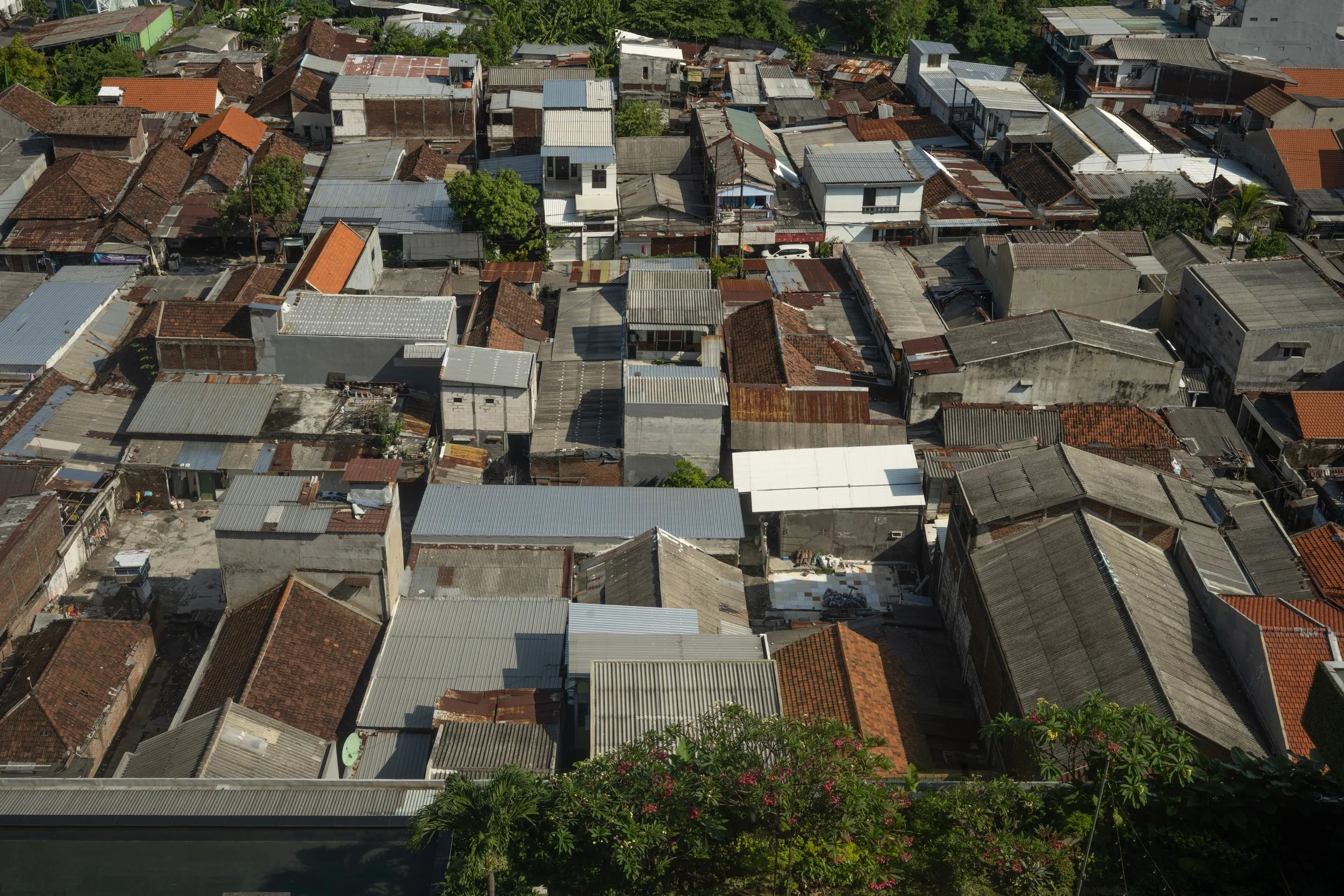
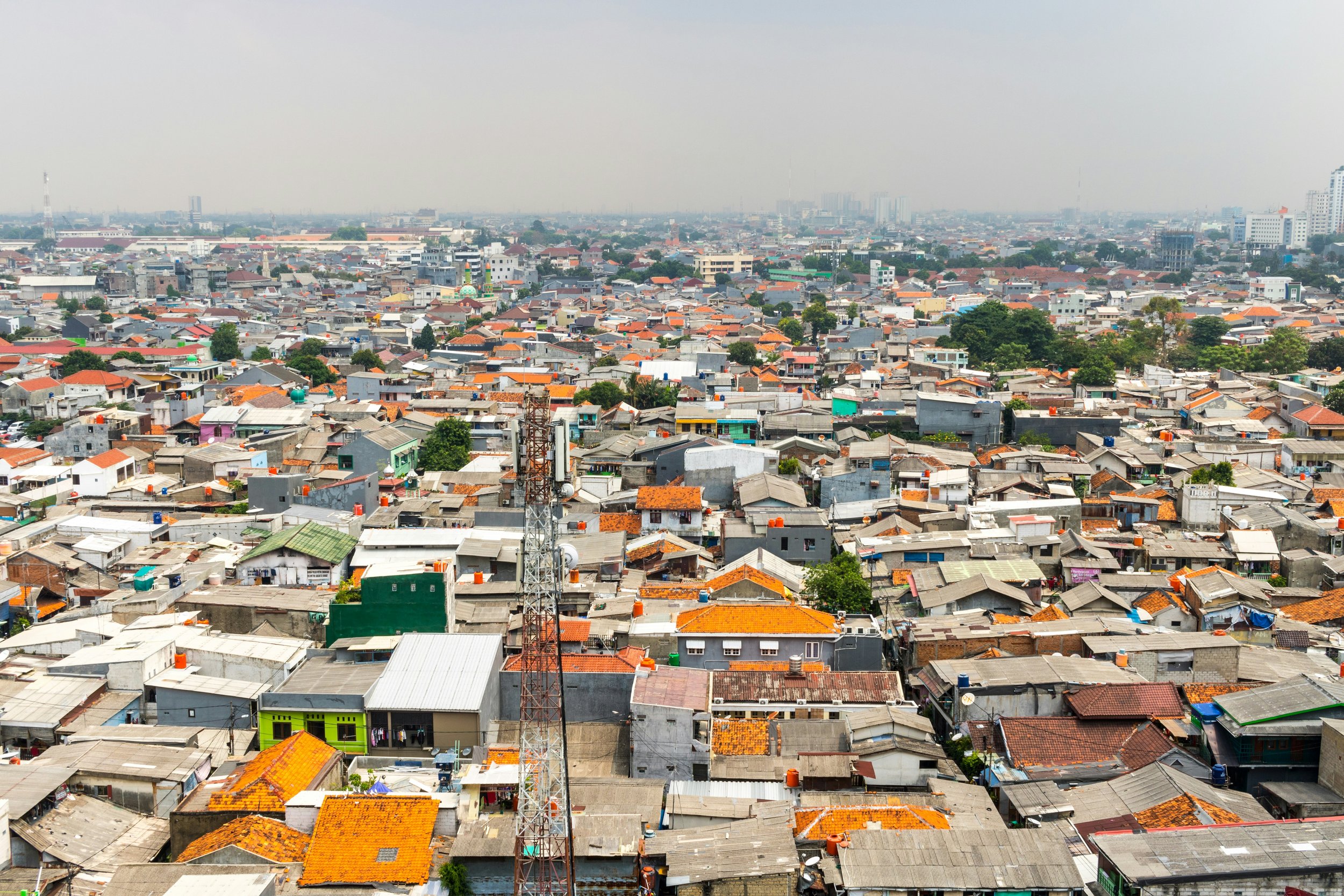
Jakarta is Indonesia's capital and the core of the vast Jabodetabek metropolitan region, home to nearly 30 million people. Since the 1960s, rapid urbanization has transformed the city into one of the world's largest metropolitan areas, placing sustained pressure on housing, infrastructure, and environmental systems. Much of this growth has occurred through a combination of formal development and the incremental expansion of self-built kampungs, producing a complex urban landscape where high-rise commercial districts coexist with dense residential neighborhoods. Built incrementally by residents, kampungs provide housing for a large share of the city's population and support strong social networks, informal livelihoods, and collective forms of organization. Many kampungs face insecure land tenure, environmental risks, and periodic eviction linked to redevelopment and infrastructure projects. This tension between self-built urban development and formal planning has shaped Jakarta's housing landscape for decades. Far from being peripheral to the city, kampungs remain central to Jakarta's housing system and to ongoing efforts to imagine more inclusive forms of urban development.
Explore further

-
Karachi is Pakistan's largest city and economic center, home to more than 22 million residents. Shaped by successive waves of migration—beginning with the Partition of British India in 1947, when Karachi became Pakistan's first capital—the city grew rapidly into one of the world's largest megacities. This history earned Karachi its enduring reputation as Pakistan's "City of Migrants." Successive master plans sought to guide its expansion; however, urban growth consistently outpaced their implementation. Much of Karachi has been built through self-help housing in katchi abadis (informal settlements), where residents have relied on incremental construction, collective organization, and informal tenure arrangements to secure shelter. Today, an estimated 60 percent of the city's population lives in these settlements, many of which face persistent eviction risks despite decades of consolidation. Where formal housing provision has fallen short, community organizations have pioneered alternative approaches based on collective action and incremental upgrading, demonstrating how communities can shape more inclusive and resilient urban futures.
Explore further

-
Located in the Blue Ridge Mountains between the French Broad and Swannanoa Rivers, Asheville developed as a prominent resort and hospitality center in the late nineteenth and early twentieth centuries. Investment favored elite residential districts, hotels, and tourism infrastructure, while working-class neighborhoods experienced chronic underinvestment and limited access to credit. These inequalities were reinforced through racial segregation, redlining, and urban renewal. The East Riverside project alone displaced around 4,000 residents from Southside—roughly half of Asheville's Black population at the time—and reshaped generations of community life. The legacy of these decisions continues to shape Asheville's neighborhoods. Several historically Black neighborhoods are located in flood-prone areas along the French Broad River, where increasingly severe rainfall and climate risks compound earlier patterns of exclusion. Hurricane Helene exposed the vulnerability of housing, infrastructure, and communities and intensified an already severe housing shortage. Against this backdrop, Asheville's strong tradition of community collaboration has brought together organizations working across housing, transportation, disability rights, aging, and public health to address these interconnected challenges.
Explore further

-
Located on the eastern shore of Lake Erie, Buffalo grew into one of the United States' major industrial centers following the opening of the Erie Canal in 1825. Manufacturing, shipping, and grain handling attracted successive waves of immigrants and shaped a city of dense working-class neighborhoods. From the mid-twentieth century, industrial decline, suburbanization, and urban renewal transformed Buffalo's urban landscape, contributing to population loss, neighborhood disinvestment, and the displacement of Black and immigrant communities. Buffalo continues to live with the effects of population decline, even as new investment begins to reshape parts of the city. Parts of downtown and the waterfront have experienced significant revitalization, but many neighborhoods continue to face vacancy, aging housing, and substantial repair needs. Older homes are associated with some of the highest rates of childhood lead exposure in New York State, and maintenance and energy costs place a significant burden on many households. Buffalo is also increasingly recognized as a potential climate refuge and continues to welcome new immigrant and refugee communities, creating opportunities for neighborhood renewal while also raising new concerns about affordability and displacement.
Explore further

-
Tulsa grew rapidly during the early twentieth century following the discovery of oil, earning the nickname "Oil Capital of the World." The city's expansion also produced one of the country's most prosperous Black business districts: Greenwood, widely known as "Black Wall Street." The 1921 Tulsa Race Massacre destroyed more than thirty blocks of homes and businesses, displacing thousands of residents and erasing generations of Black wealth and property ownership. Later urban renewal projects and highway construction further fragmented Greenwood and surrounding North Tulsa neighborhoods, reinforcing long-term patterns of segregation and disinvestment. Tulsa now faces growing housing affordability pressures alongside an estimated shortage of nearly 13,000 homes. Zoning regulations continue to favor detached single-family housing, limiting opportunities for more diverse housing types across much of the city. East Tulsa has become one of the city's most culturally diverse areas, with immigrant and refugee communities contributing to vibrant neighborhoods and strong community networks. The city's history continues to shape its neighborhoods, as do the communities working to expand housing opportunities before existing inequalities deepen further.
Explore further

-
Long Beach is a coastal city of roughly 450,000 people situated between Los Angeles and Orange County, shaped by its waterfront location, major port, industrial economy, and successive waves of migration. Its growth accelerated through oil, maritime trade, military activity, and the wider expansion of Southern California, producing a diverse city with strong neighborhood identities and significant racial and spatial inequalities. Nearly 60% of residents rent their homes, and high housing costs, overcrowding, aging housing, displacement, and homelessness create persistent pressure on lower-income households. These housing challenges intersect with environmental conditions: communities in West, Central, and North Long Beach experience some of California’s highest cumulative pollution burdens due in part to port activity, freeways, freight infrastructure, and industrial land uses. Long Beach has responded through affordable-housing production, homelessness services, state-driven housing reforms, and community-led efforts connecting housing with food access, environmental health, and neighborhood life. Together, these dynamics make Long Beach a useful case for understanding healthy housing not simply as the condition of a dwelling, but as the relationship between home, neighborhood, health, and belonging.
Explore further


Our Partners
Asian Coalition for Housing Rights
A regional network of grassroots community organizations, NGOs, and professionals working across Asia to support community-led housing, settlement upgrading, and inclusive urban development.
Rujak Center for Urban Studies
Jakarta, Indonesia
An urban research organization that works with communities, practitioners, and policymakers to generate knowledge and develop more inclusive and sustainable approaches to urban development.
Karachi, Pakistan
An urban research and advocacy organization working alongside communities to address housing, planning, and infrastructure challenges in Karachi's underserved settlements.
Asheville, North Carolina
A regional planning and development organization providing technical assistance to local governments across western North Carolina on planning, resilience, housing, and community development.
Buffalo, New York
A project partnership bringing together Heart of the City Neighborhoods, the City of Buffalo, and WE ACT for Environmental Justice to connect research, community knowledge, and public-sector expertise around housing, neighborhood health, and equitable revitalization.
Long Beach, California
A community-based organization working to strengthen Long Beach's local food system and advancing healthy neighborhoods and community well-being.
Tulsa, Oklahoma
A community development organization working across four neighborhoods in East Tulsa to strengthen resident leadership and foster neighborhood prosperity.
Rethinking Healthy Housing
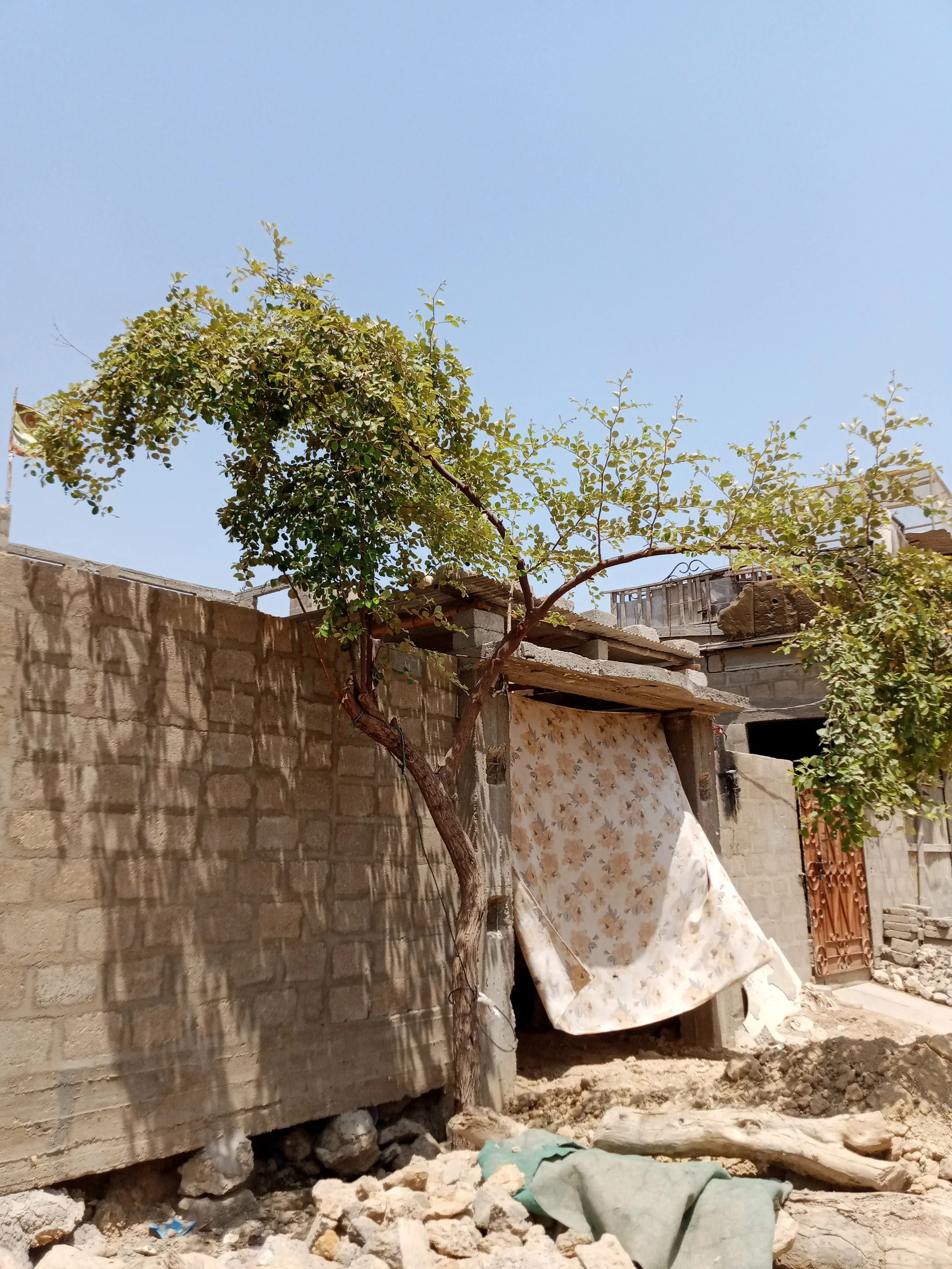
Healthy housing is often understood through building standards, planning regulations, housing policies, and technical indicators. These provide important ways of assessing housing conditions, but they offer only part of the picture.
The places where people live today are the product of historical social, political, and environmental processes. Decisions about land, infrastructure, investment, segregation, displacement, and governance have shaped neighborhoods over decades, influencing who has access to safe, affordable, and healthy housing and how housing affects health.
I-HIP Co builds on these perspectives by examining how housing standards & conditions have evolved over time, approaching healthy housing as a holistic concept, and recognizing community knowledge as an essential source of understanding alongside policy, research, and technical expertise.
Cities Carry History
Understanding housing today means looking at the decisions that produced it. Across the I-HIP Co cities, historical experiences such as colonialism, industrialization, migration, segregation, urban renewal, and uneven public investment have shaped neighborhoods in different ways, leaving lasting effects on housing conditions, health, and everyday life. Although these histories differ from place to place, they continue to influence contemporary housing challenges and help explain why similar issues emerge in different forms across different cities.
The timelines below trace some of the key developments that have shaped each country's urban and housing landscape, providing context for understanding the challenges and opportunities communities face today.
Explore further
Historical Timeline Indonesia – Coming Soon
Historical Timeline Pakistan – Coming Soon
Historical Timeline USA – Coming Soon
Code vs. Reality
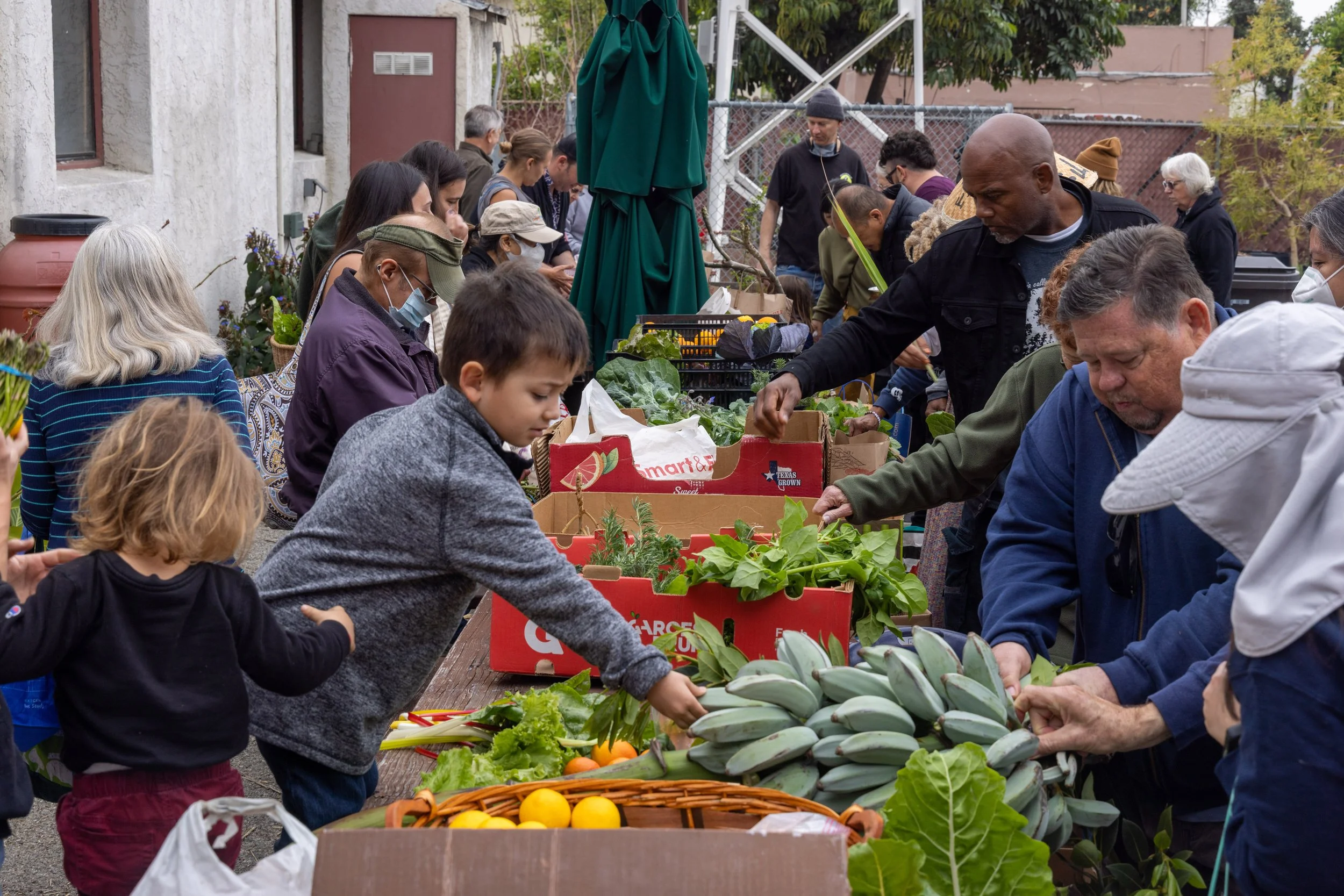
Housing policies, planning regulations, and building codes establish important standards for creating safe, adequate, and healthy living environments. Yet the conditions and contexts people experience every day in their distinct neighborhoods are not reflected in these broadly applied policies. The gap is not a question of implementation alone. In some cases, standards are difficult to apply in existing neighborhoods. In others, they overlook local ways of living, fail to recognize informal forms of housing, or create barriers to services, tenure security, and investment. Communities, in turn, often develop practical adaptations that enable housing and neighborhoods to function despite these constraints.
The Code vs. Reality cards compare selected policy standards with lived experiences across the project cities, illustrating how housing outcomes are shaped through the interaction of regulations, local contexts, and everyday practice.
Explore further
Understanding Healthy Housing
The differences between policy standards and lived experience raise a broader question: what is comprehensively healthy housing?
I-HIP Co understands healthy housing through four interconnected dimensions: affordability, quality, stability, and neighborhood context. These dimensions offer a way of understanding how housing influences health across different cities, recognizing that healthy housing extends beyond the condition of individual dwellings to include the economic, social, and environmental factors that shape everyday life. They also provide a common language for exploring healthy housing across different places while remaining responsive to local histories, priorities, and community realities.
Affordability: Housing should be affordable not only to access, but also to live in. This includes rent or mortgage payments, utility bills, transportation costs, maintenance, and other everyday expenses that affect a household's financial security and well-being.
Quality: The condition of a home has a direct impact on health. Safe construction, good ventilation, thermal comfort, access to water and sanitation, and protection from environmental hazards all contribute to healthy living conditions.
Stability: Healthy housing provides a sense of security over time. Stable housing, secure tenure, and protection from displacement allow people and communities to put down roots, plan for the future, and maintain social connections.
Neighborhood Context: Housing is part of a wider neighborhood. Access to schools, healthcare, jobs, transportation, parks, healthy food, and social networks, as well as exposure to pollution, flooding, and other environmental risks - all influence health and quality of life.
Our comparative report explores these four dimensions across Indonesia, Pakistan, and the United States, examining how they interact in different urban contexts and how they can support a broader understanding of healthy housing.
Explore further
Rethinking Healthy Housing: A Comparative Review of Policy, Practice, and Community Knowledge – Coming Soon
Other Ways of Knowing
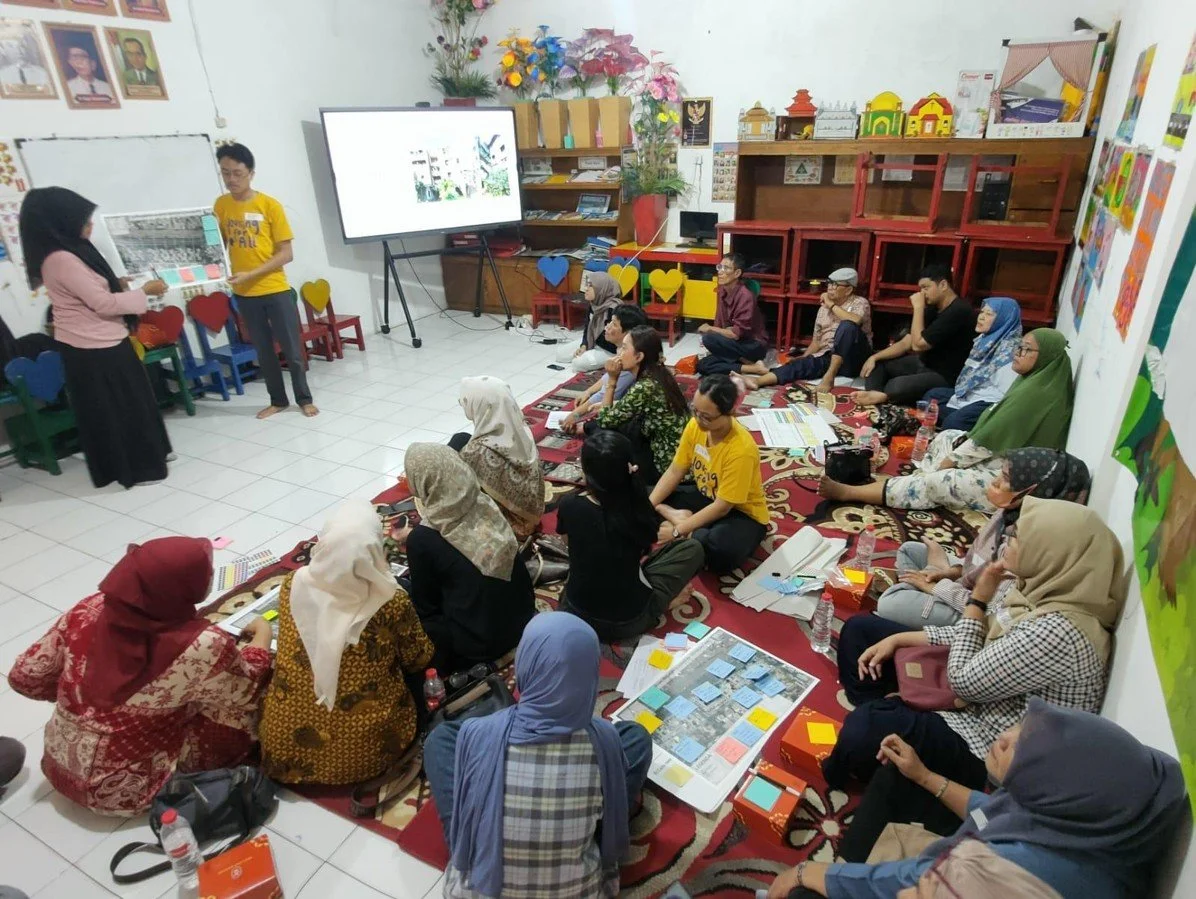
Understanding healthy housing also means learning from the knowledge that communities generate through everyday life, collective action, adaptation, and civic engagement. These experiences help identify priorities that may be overlooked in formal planning, develop practical responses to local challenges, and offer insights into how housing affects health that are difficult to capture through technical indicators alone.
I-HIP Co recognizes these forms of knowledge as an essential part of understanding healthy housing. Throughout the project, residents are engaged not simply as participants, but as collaborators whose experiences inform research, strengthen local action, and broaden conversations about what healthy housing can look like in different contexts.
The regional synthesis showcases community-led practices and experiences from across the ACHR network, highlighting approaches that have emerged through local experimentation, collective organization, and shared learning.
Explore further
Community-Led Healthy Housing: Practices, Perspectives, and Lessons from the ACHR Network – Coming Soon
From Knowledge to Action
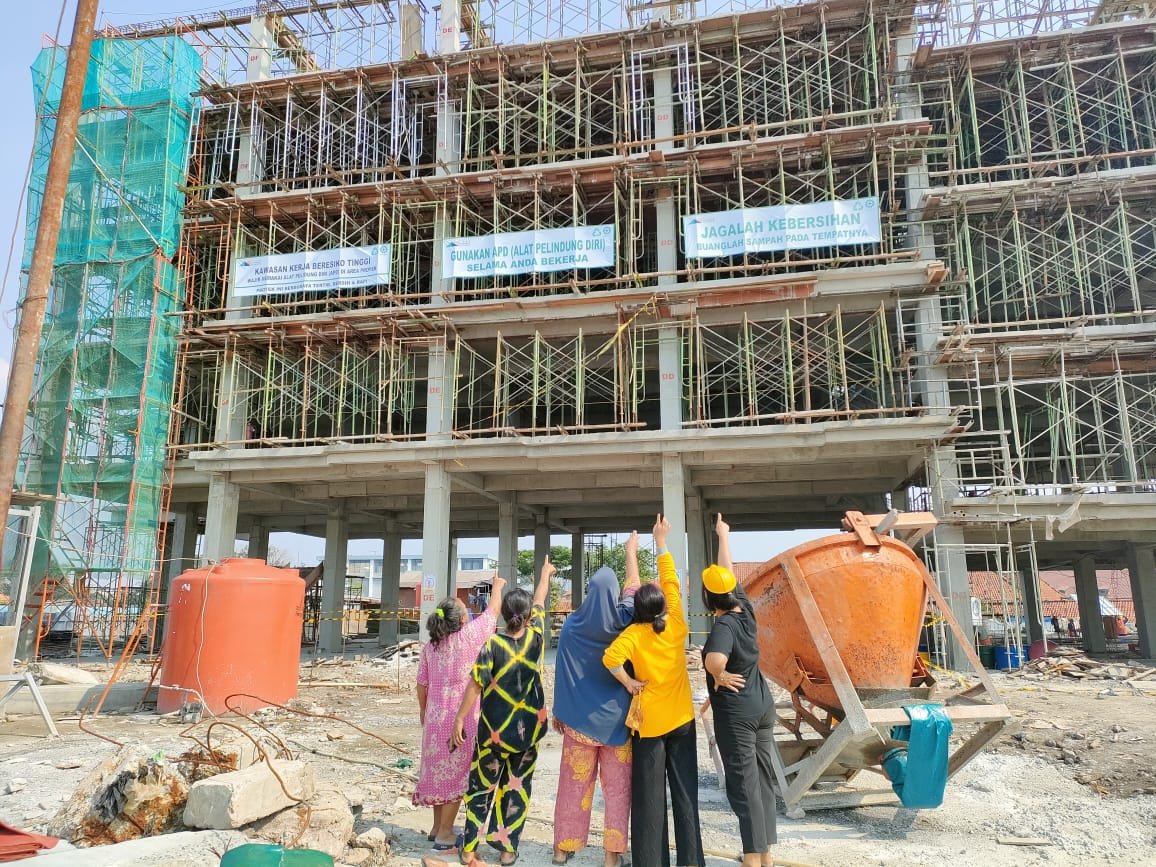
I-HIP Co combines local action with international exchange. Each city develops its own pathway toward healthier housing and neighborhoods, while contributing to a shared learning process that connects experiences across Indonesia, Pakistan, and the United States.
Local Action
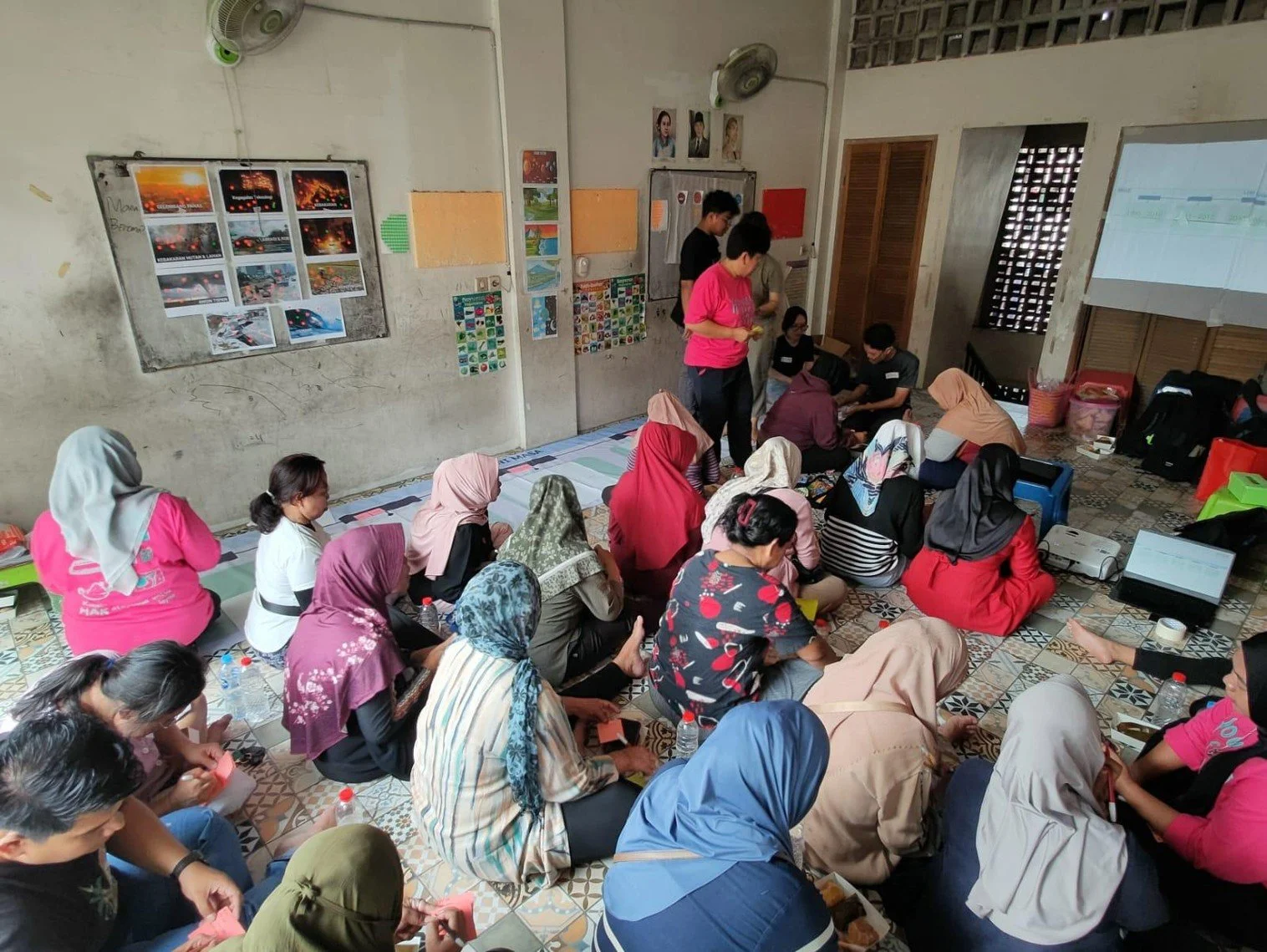
Healthy housing looks different in every place. Working alongside residents, community organizations, and local stakeholders, each partner identifies a locally relevant opportunity to strengthen some aspect of housing or neighborhood health. These initiatives respond to local priorities while generating practical examples that can inspire learning across the wider project.
As the project progresses, this section will feature stories and case studies from each city, documenting how different communities are approaching healthy housing in practice.
Coming soon
Case studies on local pilot initiatives
Reflections and lessons from each city
Healthy Housing Strategy Lab
The Healthy Housing Strategy Lab is the project's shared space for learning across cities. Over sixteen months, partners come together through online exchanges and in-person retreats to share experiences, visit one another's communities, explore different approaches, and reflect on what healthy housing looks like in different places.
The Strategy Lab is built on the idea that every city has something to teach and something to learn. By connecting people working in different social, cultural, and institutional contexts, it creates opportunities for new ideas, fresh perspectives, and lasting relationships that extend beyond the project itself.
As the Strategy Lab unfolds, this section will share highlights from the exchange, including retreat summaries, learning reflections, and emerging insights from across the cohort. It will also document the development of the project's Community-Driven Healthy Housing Framework, bringing together lessons from across cities into a practical resource for communities, practitioners, and policymakers.
Coming Soon
Exchange retreat highlights
Learning summaries
Community-Driven Healthy Housing Framework
Support for this project was provided by the Robert Wood Johnson Foundation.
The views expressed here do not necessarily reflect the views of the Foundation.