

From Ideas to Action: ISUH’s On-the-Ground Initiatives
-
International Healthy Housing Innovations Project in and with Communities (I-HIP Co)
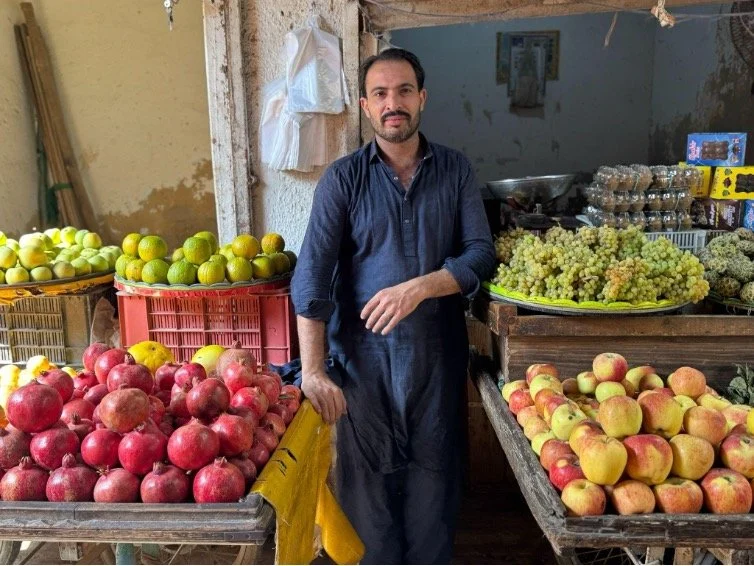
The International Healthy Housing Innovations Project in and with Communities (I-HIP Co) is redefining what “healthy housing” means by centering residents, culture, and place—not just buildings. Learning directly from our partners in Indonesia and Pakistan, and drawing on decades of community-driven upgrading with urban poor communities through the Asian Coalition for Housing Rights, we are bringing their proven, place-based, people-led approach to the United States.
Working with communities in Buffalo, Asheville, and a Tulsa, I-HIP Co supports residents in shaping the housing and neighborhood priorities that matter most to their health—including affordability, residential stability, quality, and the social fabric of neighborhood. Through local pilots, shared tools, and applied research, we aim to build a new model for healthy housing that advances equity, strengthens neighborhood resilience, and sparks a movement for community-led transformation across the U.S. and beyond.
-

Accelerating City Equity (ACE) Project
ISUH’s flagship health equity program, the Accelerating City Equity (ACE) Project aims to mainstream equity into sustainable urban development policy and practice by accelerating the implementation of practices found to be most catalytic in cities.
Through the Active-Learning Resource Center the project lives on through storytelling and the exchange of knowledge and practical experience among a global community of practice. The ACE Project resources identify how equity—improving the health and well-being of all residents, not just a few—can drive sustainable development in cities worldwide.
-

Healthy Housing Portfolio
Architecture for Health in Vulnerable Environments (ARCHIVE) Global is now ISUH’s Healthy Housing portfolio.
Our work focuses on improving health outcomes for at-risk and vulnerable communities by addressing the conditions of the home and neighborhood. Each project centers on a built-environment intervention targeted at a specific health concern and integrates research, design, and advocacy. Our initiatives span high-, middle-, and low-income contexts because communities of need exist everywhere—and healthier homes can transform health at every scale.
We believe that health begins in the home and radiates outward into the community. You can learn more about ISUH’s Healthy Housing portfolio (formerly ARCHIVE Global) and explore our past and current projects here.
-

Mud to Mortar: Improving flooring for better health in Bangladesh
A simple intervention — replacing dirt floors with concrete — can drastically improve the health and daily lives of household residents. The project centers on constructing cost-effective, low-tech, easily cleaned concrete floors, paired with education campaigns on sanitation and hygiene. As a result, households report improved health (including reductions in diarrhea, respiratory illness, and skin conditions), lower healthcare expenses and lost productivity, and significantly less time spent cleaning and maintaining dirt floors.
Across six phases, 371 homes have received new floors. In the three most recent phases, the project added a women’s skills-building component, training women as masonry assistants and providing hands-on experience as part of the construction team.
Phase 6, now underway, also incorporates a community-driven dengue prevention and control program, responding to persistent dengue transmission in the area. This includes education, environmental management, and household-level strategies to reduce mosquito breeding and protect families’ health.
-
Sustainable Dengue Control in Sub-Saharan Africa
A part of ICUH’s Healthy Housing Portfolio
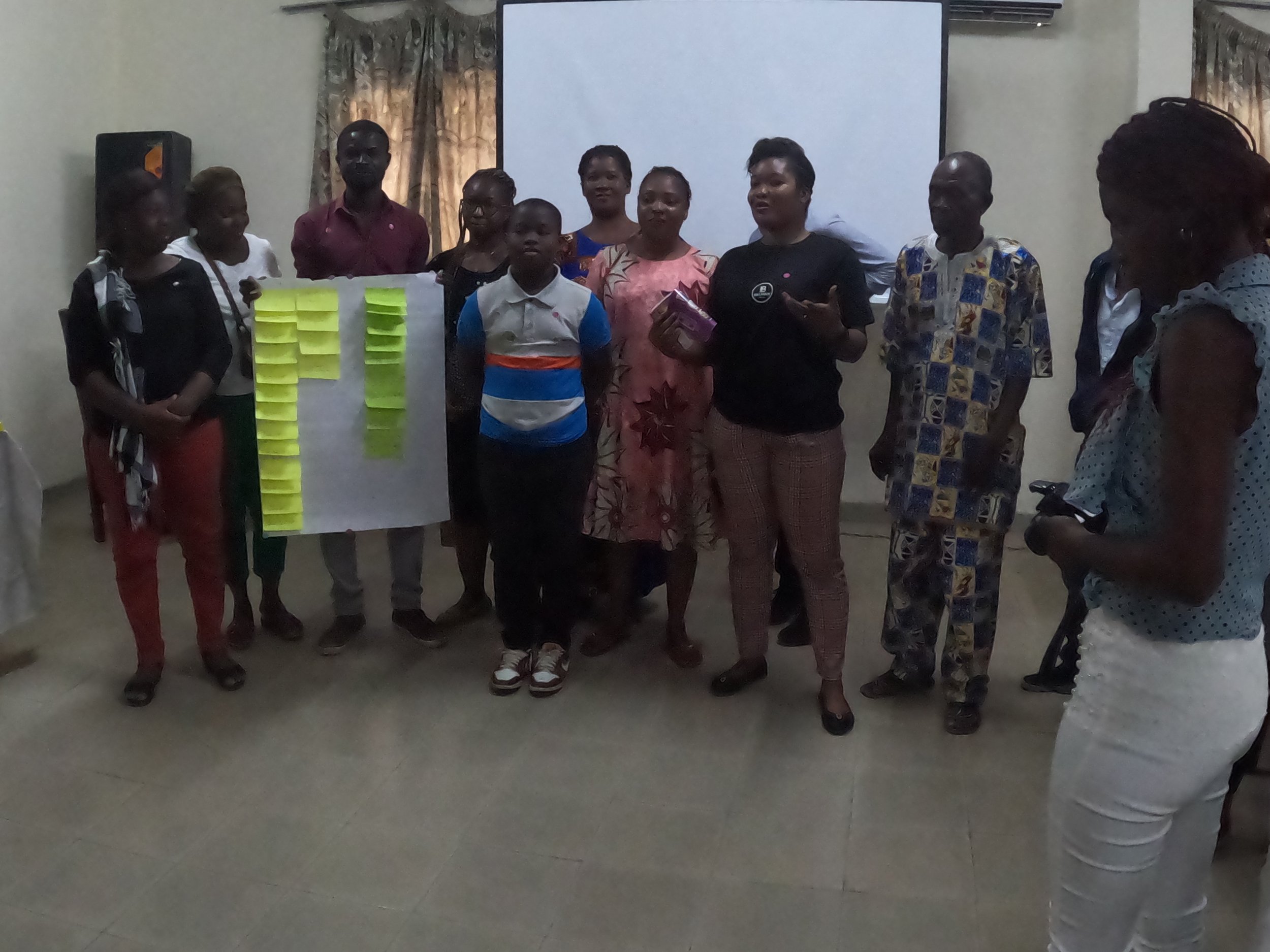
By engaging and mobilizing local residents with a community-driven approach, a sustainable control of Aedes aegypti mosquitoes can successfully reduce the burden of dengue by removing the potential larval breeding sites and trapping egg-laying females.
This multi-disciplinary project narrows the community-researcher gap to bring evidence-based solutions and community knowledge together to achieve sustainable, community-led efforts to clean and maintain community spaces that otherwise present a health risk as potential mosquito breeding sources.